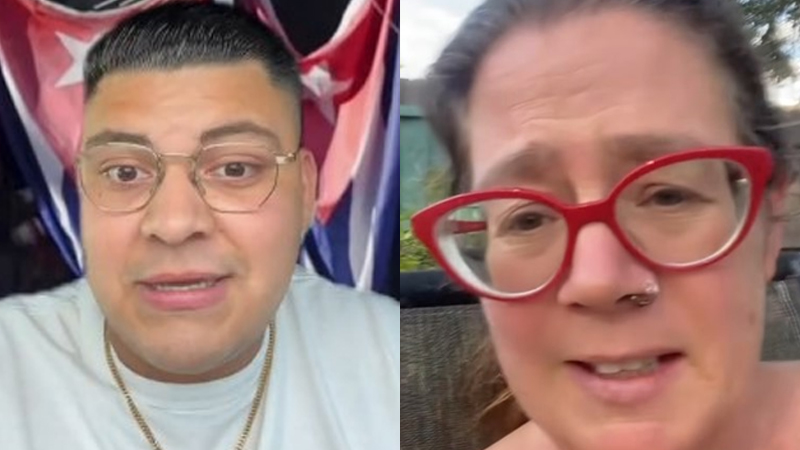
(Photo by TikTok)
A growing number of Cuban Americans are speaking out as President Donald Trump’s hardline policies toward Cuba and immigration enforcement ripple through families in Florida and on the island itself.
The debate intensified after Trump vowed on Truth Social: “THERE WILL BE NO MORE OIL OR MONEY GOING TO CUBA—ZERO!” The move, part of broader sanctions and pressure campaigns, has sharply restricted Cuba’s already limited access to fuel.
According to reporting from The New York Times, deportations of Cuban nationals have surged in recent years, adding another layer of strain to a community that once largely backed Trump’s tough rhetoric on socialism and border enforcement.
For some families, the impact feels immediate.
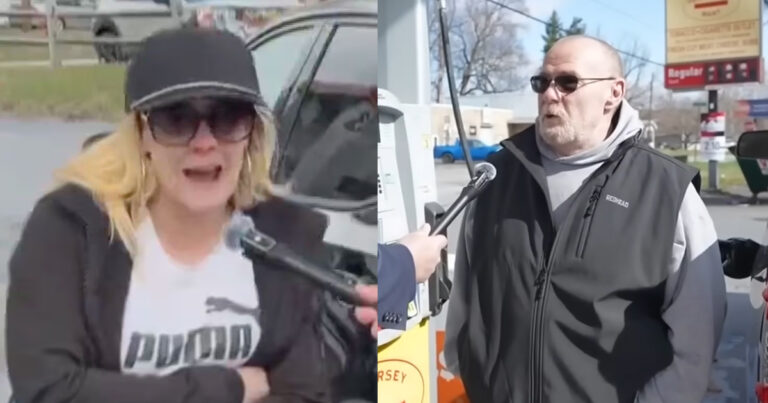
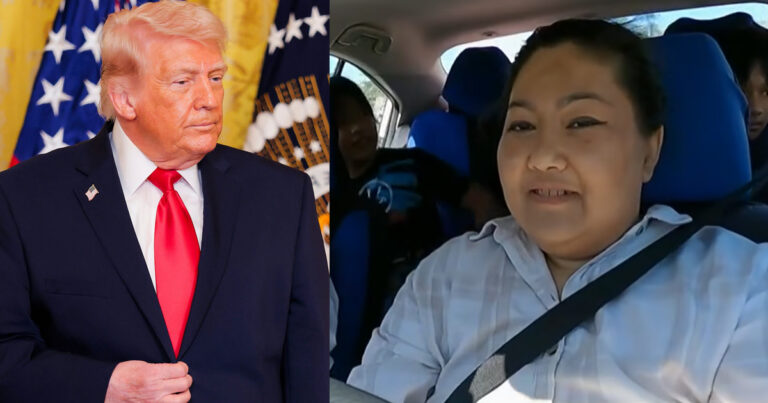
“My religious family is in Cuba,” said Liz Cannon in a widely shared video. “There’s going to be no way to help them out very soon. There’s going to be no food. There’s going to be absolutely no gasoline.” Cannon described chronic blackouts, transportation shutdowns, and fuel shortages that she believes are tied to U.S. pressure on countries like Venezuela and Mexico, two of Cuba’s main oil suppliers. “He’s trying to starve out the people of Cuba,” she said of Trump. “To what kind of result?”
Energy shortages on the island are not new, but analysts say the situation has worsened. Without steady oil imports, electricity production falters. That affects hospitals, food distribution, and public transportation. Critics call it economic warfare. Supporters argue it is necessary to put pressure on a communist regime that has ruled since 1959.
Secretary of State Marco Rubio, the son of Cuban immigrants, has long advocated a tough stance against Havana. For many Cuban exiles who lost property or fled political repression decades ago, punishing the regime is deeply personal.
But the policy consequences are also landing in South Florida.
In Miami, videos circulating on social media show Cuban asylum seekers being detained and deported. One clip references the arrest of a young Cuban woman, Laura de la Caridad González Sánchez, prompting activists to plead for consideration for those with pending asylum cases.
“If we have not committed a crime, that we have our lives organized, our pending asylum, that please, we do not have to live in this terror,” said Sandra Vásquez of the Anti-Communist Movement I-220A. According to The New York Times, more than 1,600 Cubans were deported last year, roughly double the previous year’s total. In addition to returning to Cuba, some migrants have been sent to third countries after Havana declined to accept them.
For decades, Cuban migrants benefited from the Cuban Adjustment Act, which allowed many to obtain permanent residency after one year in the United States. That history shaped a sense of relative security within the community. Now, stricter asylum rules and broader immigration crackdowns have blurred those lines.
Political commentator Cesar Flores noted the irony many feel.
“To Their Shock,” read a recent headline about deportations. Flores said deportation has long been common for other immigrant groups, but many Cuban Americans assumed their situation was different. Meanwhile, progressive activists like Medea Benjamin have condemned the sanctions outright. “This is economic warfare. It’s violence. It’s collective punishment,” she said, arguing that cutting off oil effectively cripples daily life for ordinary Cubans.
Not everyone is reconsidering their political loyalties. Polling still shows strong Republican support among Cuban-American voters. But interviews and community discussions suggest unease is growing as policies affect family reunification, remittances, and small businesses tied to the island.
For years, hardline messaging about socialism and strong borders resonated deeply in Miami. Now, some voters are weighing those principles against practical realities: deported relatives, delayed asylum cases, rising costs, and worsening conditions in Cuba.
Politics can feel abstract during campaign season. It feels different when it reaches the dinner table.
As one commentator put it, policies do not come with a “friends and family” exemption. And in South Florida, that realization is fueling a more complicated conversation about loyalty, identity, and consequence.
READ NEXT
“It’s disappointing to me” Illinois farmer says his family farm may end with him