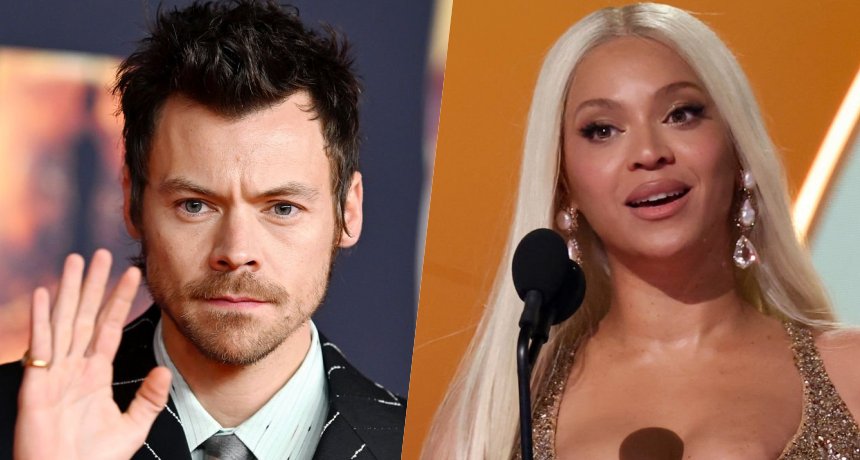
Sony Music Requests Removal of More Than 135000 AI Songs Impersonating Its Artists. (Photo by Getty Images)
Sony Music says it has requested the removal of more than 135,000 songs created by fraudsters impersonating its artists on streaming platforms, highlighting the growing challenge posed by artificial intelligence deepfakes in the music industry.
According to the company, the fake tracks were uploaded to digital services by individuals using AI technology to mimic the voices and styles of popular performers. Among the artists affected are global stars such as Beyoncé, Queen and Harry Styles.
AI-generated songs are appearing on streaming services like Spotify. The platform currently does not require music created using artificial intelligence to be clearly labeled, making it easier for fake tracks to circulate.
The issue has already affected several artists in recent months. Last year, country singer Blaze Foley was targeted by deepfakes after new songs appeared on his official Spotify page despite the artist having died years earlier and no new music being planned by his estate.
Rapper Tyler, the Creator, also faced similar problems during the rollout of his album Don’t Tap the Glass. Several AI-generated tracks with similar titles were reportedly uploaded to Spotify around the same time, potentially interfering with the album’s release.

Dennis Kooker, President of Sony’s Global Digital Business, warned that the spread of AI deepfakes could harm both artists and their promotional efforts. “In the worst cases, [the deepfakes] potentially damage a release campaign or tarnish the reputation of an article,” Kooker told the BBC.
Sony believes the scale of the issue may be much larger than the number of songs it has already flagged. The company said the 135,000 tracks represent only a portion of the AI-generated music currently circulating online.
Since March 2025 alone, Sony says it has identified at least 60,000 songs that falsely claimed to feature artists signed to the label. Those affected include Bad Bunny, Miley Cyrus and producer Mark Ronson. Kooker said the rise of deepfakes is closely tied to increasing demand from fans during major promotional moments for artists.
“The problem with deepfakes is that they are a demand-driven event,” he said. “They are taking advantage of the fact that an artist is out there promoting their music. That is when deepfakes are at their worst building off of and benefitting from the demand and artist has created. Ultimately, it distracts from what the artist is trying to accomplish.”
Other incidents have also surfaced across the industry. Digital Music News previously reported a case involving King Gizzard and the Lizard Wizard, where suspiciously similar tracks appeared online after the band removed its music from Spotify. As artificial intelligence tools become cheaper and more accessible, Sony warns that the number of fake songs is likely to continue growing.
READ NEXT
- Mia Goth and Shia LaBeouf’s net worths explored amid divorce after 10 years of marriage and custody battle
- Sex is a splendidly intimate act that brings two folks
- Its necessary to level out that its appropriate with all
- They can be found in a variety of strengths and flavors and
- If you think this is why your child vapes