(Photograph by Mark Wallheiser / Getty)
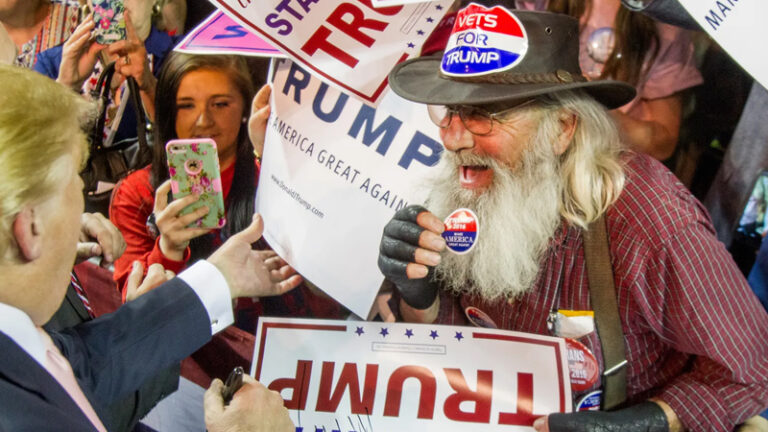
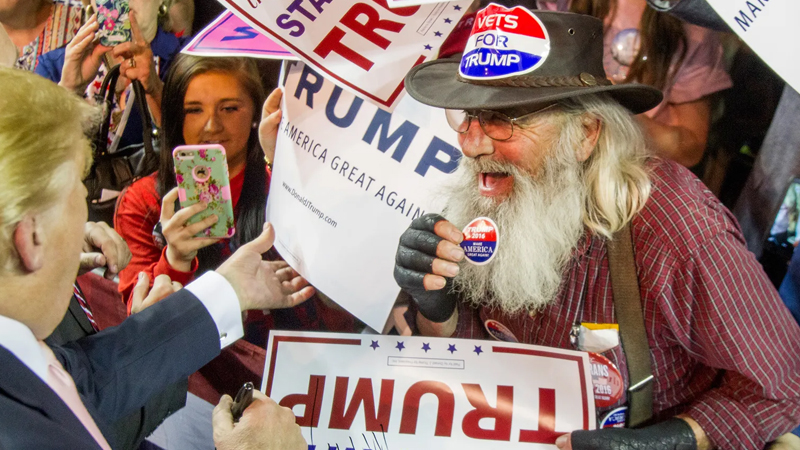
A new survey released by Navigator Research on Thursday suggests that a growing number of Americans who supported Donald Trump in the 2024 presidential election are now second-guessing their decision. According to the findings, one in five voters who backed Trump now regret their vote, marking the highest level recorded since the polling group began tracking the question.
The change represents a noticeable increase over a short period. In early February, 14 percent of Trump voters expressed regret. That number has now climbed by six percentage points. The survey also revealed divisions within the Republican base itself.
Twenty-three percent of Republicans who identify as “non-MAGA” reported regret over their vote. Meanwhile, 13 percent of self-described MAGA Republicans, often considered the most loyal segment of Trump’s supporters, said they felt the same.

Analysts suggest that rising regret could pose a challenge for Republicans as they prepare for the upcoming midterm elections. A less motivated base could affect turnout, which is often critical in determining control of Congress.
Recent polling indicates that Democrats currently hold an advantage on the generic ballot, a measure that asks voters which party they would prefer to see control Congress. Some polls show Democrats leading by around five points. If Republican voters become less engaged, that gap could widen.
Additional data points hint that voter hesitation may already be affecting polling trends. According to media outlet The Argument, some individuals who voted for Trump in 2024 are reportedly telling pollsters that they either did not vote or supported Democratic nominee Kamala Harris. The outlet attributes this to lingering regret among some voters.
Another survey conducted by ABC News and The Washington Post found that Democrats’ lead on the generic ballot grows to 11 points among voters who say they are certain to participate in elections. This suggests a potential enthusiasm advantage for Democrats.

The shift in sentiment comes as some voters express dissatisfaction with Trump’s economic record, despite campaign promises to improve financial conditions. Concerns have also been raised about policies such as tariffs, immigration enforcement measures, and his handling of government files related to Jeffrey Epstein.
Behind the scenes, some Republican figures are said to be concerned about the broader political impact. There are worries that declining approval ratings could influence not only House races but also Senate contests.
With the midterm elections approaching, current trends indicate that voter attitudes may continue to shape the political landscape in the months ahead.
READ NEXT
Miami-Dade Small Business owner who voted for Trump feels the pain of a partner’s ICE detention
US farmers say they might not make money this year as costs stay high and crop prices sink